
Intergenerational Workplaces: Leading Across Ages
Leaders build strong relationships across generations at work by treating older and younger colleagues as strategic allies rather than as categories. Every generation holds something the others need, and the leaders who ask for it grow faster than the leaders who assume they already know.
The Best Career Advice I Ever Got Came From My Mother
Years ago, I was given a project I had no idea how to lead.
I said yes before I knew exactly how I was going to do it. Then I sat with the problem and couldn’t figure out how to move forward.
And I talked to my mother.
My mother sits on what I call my “board of mentors,” and she gave me advice I’ve carried throughout my career: Find people who know how to do what you need to do, and ask them for help.
It’s Simple. But think about how often we don’t do it.
We convince ourselves we’re supposed to know. We don’t want someone to think we’re unprepared. We tell ourselves we’ll figure it out.
Her advice gave me permission to stop trying to know everything and start finding people who knew things I didn’t. I’ve shared that advice with many of the people I’ve mentored since.
And with Grandparents Day this week, I’ve been thinking about how much of what I’ve learned throughout my career has come from people who were further along in their journey than I was.
Three Celebrations in Three Weeks
I’ve had a full few weeks.
My birthday.
My daughter Alexandrea’s graduation.
My father’s birthday.
My birthday celebration was a mixture of everything I am. A speaking event. Karaoke. Fine dining.
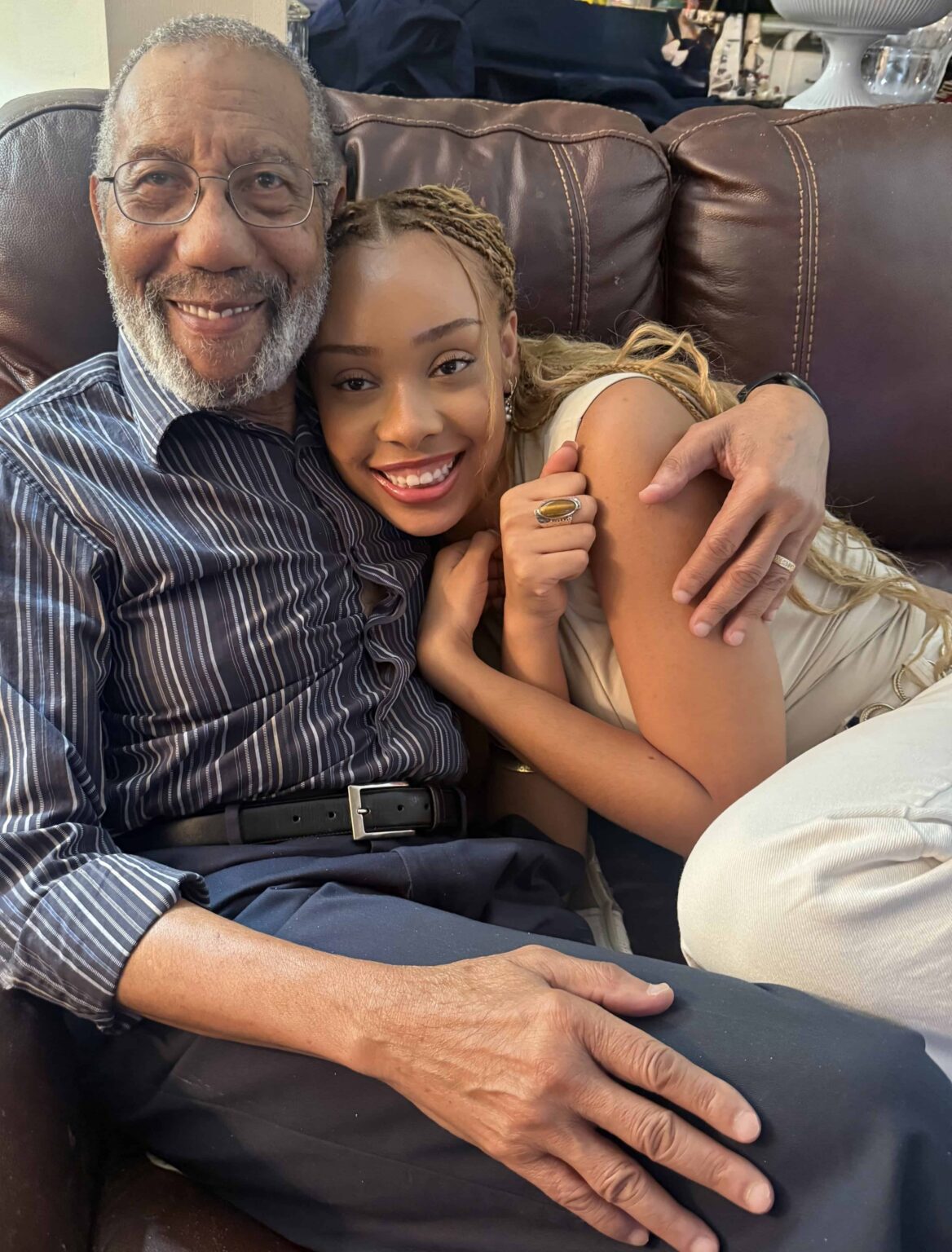
If you had looked around that room, you would have seen recent university graduates in their 20s all the way up to my father, who is over 80.
We sang. We danced. We ate well.
Then I brought the karaoke home for my dad’s birthday.
Our family friend Blossie is in her 90s. She, too, sang and danced, and she told stories that had the whole room listening.
And Alexandrea’s graduation party was at my parents’ house. Food everywhere. Tennis on the television. All of us cheering together.
Here’s what I keep thinking about: Not one person in any of those rooms was managing generational differences. We were laughing at the same jokes, singing the same songs, and cheering the same points. Four generations, and joy was the thing everyone had in common.
I don’t think that’s only true at a party.
I think we’ve just gotten worse at creating those conditions at work.
Who Is on Your Board of Mentors?
In The Joyful Leader®, I talk about designing your landscape as part of the Set stage of Ready, Set, Go®.
Your landscape isn’t only your position, your organization, or the next goal you’re trying to reach. It’s also the people around you.
Who knows something you don’t?
Who has already been where you’re trying to go?
Who will tell you what you need to hear?
Who sees something in you that you may not see yet?
And who are you helping in return?
I’ve never believed that a mentor has to formally agree to be your mentor. Some of the people on my board of mentors probably don’t even know they’re on it. I’ve learned from leaders I’ve worked for, colleagues, friends, authors, speakers, family members, and people I’ve interviewed.
The question isn’t whether you have a formal mentoring relationship. The question is whether you’re intentionally learning from the people around you.
Every Generation Has Something To Contribute
In my article originally featured in SUCCESS Magazine, I talk about what becomes possible when we stop viewing generations as competing groups and start recognizing what each person brings to the workplace.
Different generations bring different experiences, perspectives, knowledge, and ways of approaching problems. The opportunity for leaders is learning how to bring those strengths together.
The mistake I see isn’t always disrespect between generations. Often, it’s assumption. We assume the younger colleague needs teaching. We assume the older colleague needs updating.
But the strongest relationships don’t move in one direction.
They move both ways.
Someone with 30 years of experience may know why a decision was made, what happened the last time the organization tried something similar, and which relationships matter when a problem needs to be solved.
Someone earlier in their career may see an opportunity, technology, an approach, or a question that someone who’s been doing the work for decades no longer notices.
We need both.
Blossie didn’t sing because someone gave her permission to participate. She sang because the room was the kind of room where that was possible.
Leaders build those rooms, or they don’t.
The People Who Helped Me Weren’t Always My Peers
When I interviewed Dr. Taft Parsons III for The Joyful Leader®, he told me about stepping into a significant leadership role.
He had completed his residency at the organization and later worked there as staff. Many of the people around him had watched him grow from trainee to professional to leader. Because they had been part of his journey, they were invested in his success.
I love that.
They weren’t simply giving him advice. They cared about what happened to him.
That’s what meaningful relationships across generations can become.
Strategic Alliances Are Different from Networking
I’ve spent much of my career talking about the importance of strategic alliances.
Networking can introduce you to someone. An alliance develops when there’s trust, shared purpose, and a willingness to help each other move forward.
And those relationships shouldn’t only go up.
Nadya Maree shared a powerful example with me. When she was being considered for a director position, her boss wasn’t the only person advocating for her. The CEO and medical director heard from members of the housekeeping staff that she should have the job.
Think about that.
Her relationships weren’t built only with people who could advance her career. She treated people with respect regardless of title. And when an important moment came, those relationships mattered.
That’s the kind of leadership people remember.
Three things to do this week
- Add someone to your board of mentors.
Think of someone who is further along in an area where you want to grow. You don’t need to ask, “Will you be my mentor?”
Ask a different question.
One of my favorites is, What did you do to get to where you are today?
Then listen.
- Share something with someone coming behind you.
Maybe it’s context behind a decision.
An introduction.
A seat at a meeting.
A lesson you learned the hard way.
Someone helped you get where you are. Decide who you’re helping next.
- Call the oldest person in your life.
Not because you need career advice.
Just call them.
Some relationships don’t need to produce anything to have value.
What I Believe About This
The people who shaped my career weren’t always my peers. Many were a generation ahead of me and reached out a hand when there was nothing in it for them.
Now I’m also learning from people a generation behind me who ask questions I hadn’t thought to ask myself.
That’s part of what makes intergenerational relationships so valuable.
We don’t have to know everything ourselves. We need people willing to share what they know, people willing to ask, and leaders who understand the value of bringing those people together.
I watched my daughter’s generation and my father’s generation in the same room for three weeks straight, and nobody had to be taught how to do it.
Joy at work isn’t separate from those relationships. Those relationships are often where we find it.
Nicole Van Valen is a leadership performance and resilience expert, keynote speaker, CEO and Founder of Keane Insights®, and author of The Joyful Leader®, a No. 1 Amazon New Release in Work-Related Health.
Continue the work
Want the practices behind the Set stage?
The Joyful Leader® Toolkit includes tools to help you intentionally design your landscape.
If you’re looking for a keynote or leadership experience that helps your team strengthen resilience, relationships, and performance, let’s explore it together.