
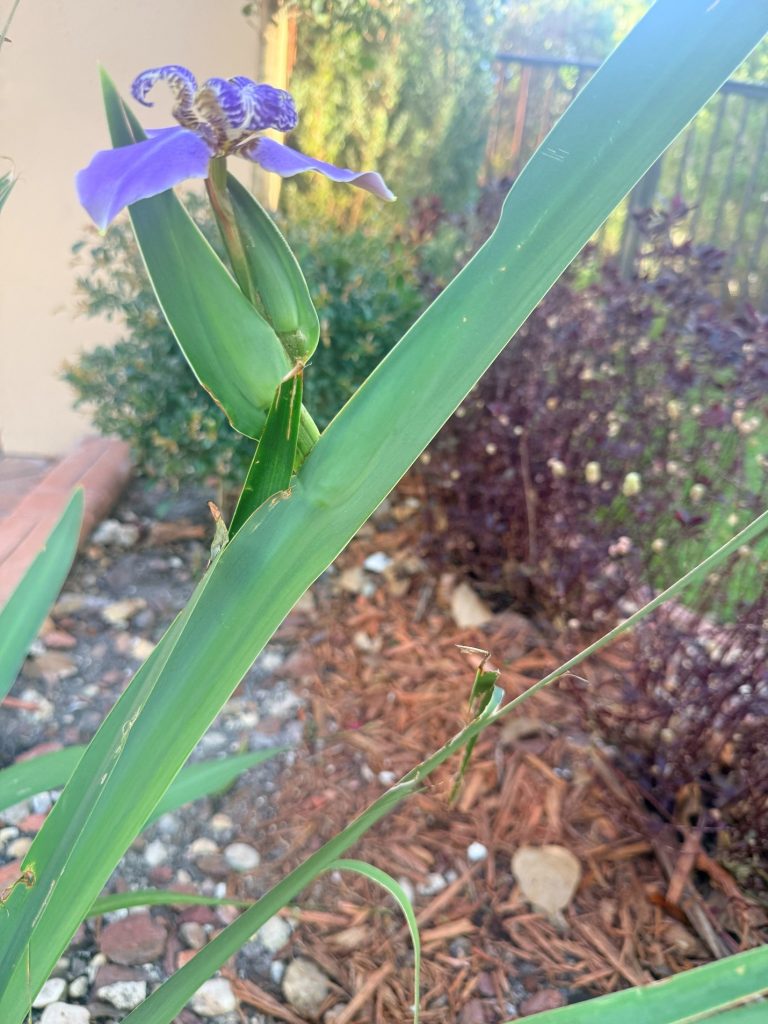
Resilience means different things to different people, but it all comes down to growth. Whether in leadership, personal development, or everyday life, resilience allows us to adapt, recover, and move forward after challenge. Much like spring, resilience reminds us that growth often begins beneath the surface before it becomes visible.
Why Does Spring Naturally Reflect the Growth Mindset?
Every year, spring reminds me that growth requires patience. Seeds are planted long before anything appears above the soil, and roots develop quietly beneath the surface before leaves or flowers emerge.

Leadership growth often follows the same rhythm. We invest time in learning new skills, adjusting our perspectives, and navigating challenges before the results become visible.
Psychologist Carol Dweck’s research on the growth mindset shows how people who see challenges as opportunities to learn are more likely to sustain motivation and long-term development. In many ways, resilience is the mechanism that allows growth to happen.
Without resilience, challenges feel like setbacks. With resilience, they become part of the learning process.
What Does Resilience Really Mean?
Resilience is often misunderstood as toughness. But resilience goes beyond simply the ability to endure pressure. It’s the ability to adapt, recover, and continue moving forward after challenges.
In The Joyful Leader®, I describe resilience as the ability to spring back into shape after a change or a challenge. A simple way to imagine this is through the image of a rubber band. A rubber band can stretch remarkably far. But if it stretches continuously without recovery, it weakens.
When it stretches and returns to its natural state, it maintains its strength and flexibility. Psychological resilience allows us to stretch through demanding moments and then return to equilibrium.
How Can We Cultivate Psychological Resilience?
Resilience grows through intentional practice. In The Joyful Leader®, I write that the goal is to regularly practice ways to cultivate a sustained sense of inner peace and stability.
Psychological resilience also requires flexibility. In The Joyful Leader®, I describe psychological flexibility as the ability to adapt to changing demands, shift perspectives, and balance competing priorities without losing clarity or purpose.
Resilience also shows up across several dimensions of our lives. In The Joyful Leader®, I describe areas such as physical resilience, lifestyle resilience, and the self-awareness required to recognize when recovery is needed. When we pay attention to these areas, we strengthen our capacity to navigate pressure without losing clarity or energy. Psychological resilience is what allows us to stretch under pressure and return to equilibrium after challenge.
Research from the American Psychological Association confirms that resilience involves behaviors and habits that can be developed over time.
Resilience is not something we either have or do not have.
It’s something we practice.
What Gardening Teaches Me About Resilience
One of the places where I practice resilience most consistently is in my garden. This season I planted papaya and mango trees. At first, nothing seemed to change. Weeks passed when growth felt invisible.
Then gradually, new leaves began to appear. The trees strengthened. The roots deepened. Recently I had a moment that captured this beautifully.
After redesigning the landscaping in our front yard, everything was green for weeks. The vision for what it would eventually become lived mostly in my imagination. Then one morning, I noticed the first flower bloom.

It felt like a small moment of magic. That bloom represented hope, a reminder that growth often happens quietly before we see it. Leadership growth follows the same pattern. Just as the papaya tree sheds leaves that are no longer useful as it grows, leaders must sometimes let go of habits, expectations, or responsibilities that no longer serve their development.
When Reliability Becomes Too Much
Many leaders are trusted because they are reliable. They solve problems. They step in when something needs to be done. They carry responsibility well.
But reliability without boundaries eventually becomes liability. High performers rarely burn out because they lack resilience. They burn out because they are trusted with too much for too long.
When our capacity becomes our identity, it can be difficult to acknowledge when we have reached our limit. And when leaders normalize overextension, it spreads across the organization. Sustainable leadership is not about carrying the most weight. It’s about creating systems in which responsibility and recovery are shared.
Four Leadership Corrections for Sustainable Performance
If organizations want sustainable performance, leaders can begin with four adjustments:
- Track emotional labor: Notice who consistently carries the emotional weight within teams.
- Rotate stretch assignments: Growth opportunities should expand leadership capacity without exhausting the same people repeatedly.
- Reward delegation: Delegation strengthens teams and prevents leadership bottlenecks.
- Model boundaries: When leaders visibly protect their energy and focus, it signals that sustainable performance matters.
If your strongest people are also the most exhausted, it may not be a stamina issue. It may be a systems signal.
A Leadership Lesson I Had to Learn
After a keynote once, someone approached me and said, “You’re so calm. I don’t know how you do it.” I smiled and thanked them. But later that evening I reflected on it.
For much of my career, calm was not natural. It was practiced. Before meetings I would rehearse how I might respond. I would carefully monitor my tone and reactions. Not because I had mastered emotional regulation. Because I was trying to manage how I might be perceived.
Over time I realized something important: There’s a difference between composure and suppression.
- Composure is regulated.
- Suppression is restrained.
One expands leadership presence. The other tightens it.
Today, when someone calls me calm, I understand it differently. Because now I know that calm comes from awareness and capacity.
The Leadership Lesson Spring Continues to Teach
Spring reminds us that growth rarely happens instantly. It takes patience, care, attention, and time. Just like gardens. Just like leadership.
Resilience means different things to different people, but it all comes back to growth. When we cultivate awareness, protect our capacity, and practice resilience intentionally, we strengthen our ability to navigate change.
And over time, the growth becomes visible.
Call to Action
Growth is happening, even when you can’t see it yet. The work beneath the surface matters.
If you’re ready to strengthen how you lead through change, we work with leaders and organizations to build resilience that lasts through The Joyful Leader® frameworks, assessments, and leadership development experiences.
Explore our leadership resilience solutions and assessment tools.
Learn more:
https://nicolevanvalen.com/
https://nicolevanvalen.com/blog